US and Israel Attack Iran

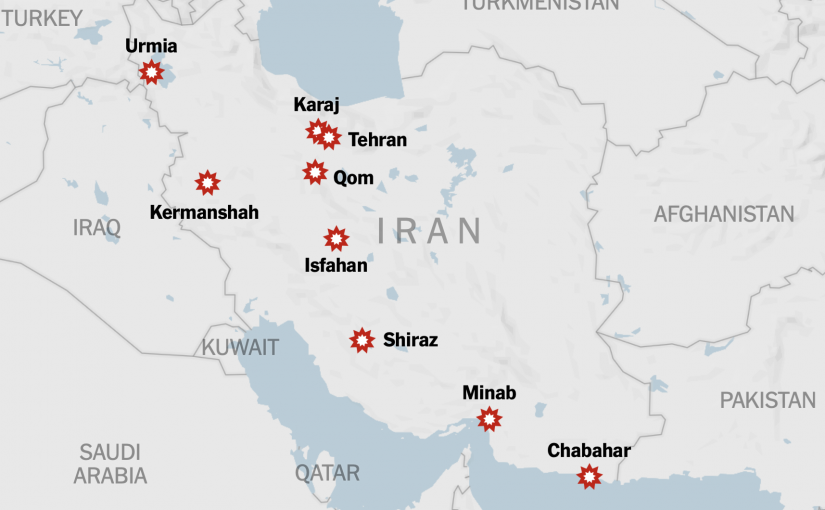
US and Israeli forces attacked targets in Iran at 1:00 am on Saturday morning. Explosions were heard in Tehran neighborhoods where senior government officials reside, including the Iranian Supreme Leader. The US also targeted military facilities throughout the country.

In response, Iran retaliated by launching waves of missiles at Israel and US military bases in Bahrain, Qatar, Kuwait, United Arab Emirates, Iraq, and Jordan.

President Trump spoke about the military operation on social media. He cited Iran’s long history of terror sponsorship and dissatisfaction with negotiations between the US and Iran as the reasons behind these strikes. He also said that Iran’s nuclear and missile programs pose serious threats to US bases in the Middle East and Europe. In an effort to cause change in Iranian society, President Trump called on the Iranian people to seize this historic opportunity to rebel against their brutal government.

As these military operations continue, there is legitimate concern that Iran will resort to attacks on vital military and economic targets in neighboring countries and on international shipping in the Arabian Gulf. This will lead to a costly and protracted war with major international implications.

Third Round of Nuclear Talks in Geneva

The world watches closely as the third round of indirect nuclear negotiations between the United States and Iran unfolds in Geneva, Switzerland. With Oman’s foreign minister stepping in as a mediator, both nations have sent their delegations, including U.S. envoy Steve Witkoff and adviser Jared Kushner, to the table. The focus? Iran’s nuclear program and the demands each side is willing to meet.

Despite the absence of a formal agreement, the talks are expected to continue, with technical-level discussions likely to resume soon, possibly in Vienna. This ongoing dialogue is crucial as both countries navigate a complex landscape of demands and counteroffers.

The United States has laid out clear demands: Iran must cease uranium enrichment, surrender highly enriched uranium, and limit its missile development and support for proxy forces. The overarching goal for Washington is to ensure that Iran cannot acquire nuclear weapons.

On the other hand, Iran maintains that its nuclear program is purely for peaceful purposes, backed by a religious edict (fatwa) against nuclear weapons. While Tehran is open to discussing enrichment limits and sanctions relief, it is not prepared to halt enrichment entirely or curb its missile program.

Iranian officials have expressed optimism, suggesting that an agreement is within reach if diplomacy takes precedence. They have described the proposals exchanged during the negotiations as “very constructive,” signaling a willingness to find common ground.

The talks are taking place under the watchful eye of the International Atomic Energy Agency (IAEA), which is involved in oversight and verification discussions. This global diplomatic attention underscores the high stakes involved in these negotiations.

However, the diplomatic efforts are overshadowed by escalating military tensions. The United States has deployed aircraft carriers, warships, and additional forces to the Middle East, a move seen as a demonstration of pressure on Tehran.

The specter of war looms large if negotiations fail, with concerns about potential strikes on Iranian nuclear facilities and the risk of a broader regional conflict. The situation remains tense, and the world holds its breath as these critical talks continue.

The US Confirms its Commitment to Negotiations

While the US continues its military buildup near Iran, negotiations between the US and Iran remain the priority. After today’s meeting with Israel’s Prime Minister in Washington, DC, President Trump stated that negotiations with Iran over its nuclear stockpiles will continue. He also suggested a military option if these talks fail to produce an agreement.

The US and Iran are engaged in negotiations in Oman. Iran claims the scope of the talks is limited to its nuclear program. However, the US’s demands extend beyond the nuclear program to include Iran’s ballistic missile stockpiles and its support of militia groups in the Middle East.

US and Iranian negotiators have returned to their respective countries for consultations after their initial indirect talks in Oman.

Board of Peace Meeting in Washington

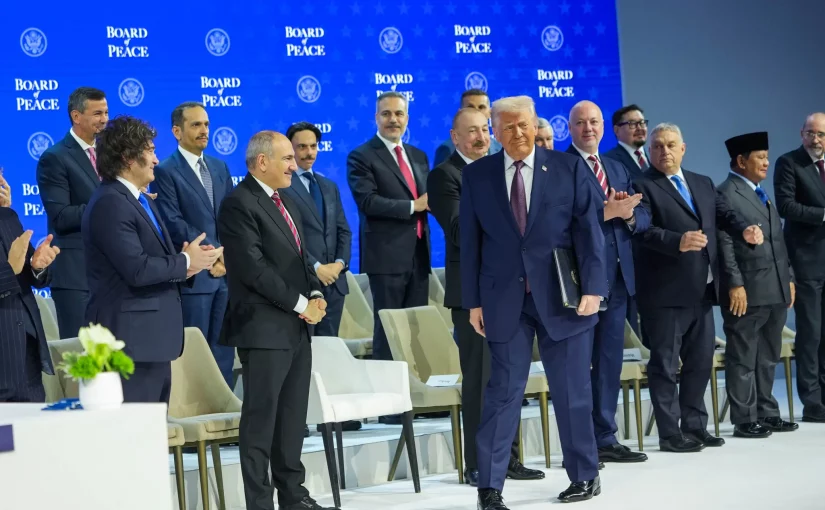
The Board of Peace (BoP) is set to hold its inaugural meeting in Washington, DC, on February 19. The meeting’s announced objective is to bring together leaders of member nations and board representatives to raise funds for Gaza’s reconstruction and advance the implementation of the next phase of the Gaza peace plan. First introduced by President Donald Trump in September 2025, the BoP was initially proposed as an international forum aimed at ending wars and promoting global peace. It began as part of a U.S.-mediated effort to resolve the Israel–Hamas conflict and aid in Gaza’s reconstruction but has since expanded its scope.

Officially, the BoP is an international organization established through a U.S. political initiative and recognized by UN Security Council Resolution 2803 in November 2025. This resolution “welcomes” the BoP’s establishment to support Gaza’s reconstruction. However, the BoP’s charter, signed at the World Economic Forum in Davos on January 22, 2026, extends its mission beyond Gaza. The charter tasks the BoP with promoting stability, restoring lawful governance, and securing lasting peace in conflict-affected regions, adhering to international law without geographic limitations.

The BoP charter outlines a centralized governance structure:
-Chairman: Donald J. Trump is named as the inaugural Chairman, a role independent of his U.S. presidency, with no specified term limit. This allows for the potential retention of the position beyond 2028.
-Executive Authority: The Chairman holds broad unilateral powers, including the ability to invite, approve, suspend, or remove member states, veto all board decisions, interpret the charter, create or dissolve subsidiary entities, and appoint a successor.
-Membership: Only states invited by the Chairman can join. Member states are represented by their head of state or government and serve three-year renewable terms. Permanent membership can be secured by contributing approximately $1 billion.

These structural choices make the BoP’s governance model unusual among international organizations, with power concentrated in a single individual rather than distributed among multiple stakeholders.

As of early 2026, the BoP has attracted participation from countries aligned with U.S. policy interests, including Argentina, Bahrain, Egypt, Indonesia, Israel, Jordan, Kazakhstan, Morocco, Pakistan, Qatar, Saudi Arabia, Turkey, the UAE, and Uzbekistan. However, many traditional U.S. allies and key global powers have not joined or have expressed reservations:
-France and the United Kingdom have declined invitations to join.
-Germany, Italy, Norway, Sweden, Denmark, and Slovenia have either rejected the initiative or shown strong reservations.
-China and Russia have not publicly committed to participation, reflecting diplomatic caution toward initiatives that might sideline existing multilateral structures.

This uneven reception highlights that while the BoP’s membership spans geopolitical divides, it lacks robust support from major Western powers typically involved in global peacemaking.

The United Nations Security Council (UNSC) remains the primary body for authorizing peace and security operations, with its five permanent members—the United States, China, France, Russia, and the United Kingdom—holding veto power over substantive decisions. Their positions on the BoP are as follows:
-China: Abstained on the Security Council resolution welcoming the BoP, citing concerns about insufficient detail on structure and membership, and has not joined the board.
-Russia: Also abstained on the resolution, warning it might transfer too much control over Gaza to the BoP, and has not publicly committed to board membership.
-France: Strongly supportive of UN-centered processes, France has declined to join and criticized the initiative as potentially undermining the United Nations.
-United Kingdom: The UK has stepped back from participation, expressing concerns about legitimacy and the board’s relationship to existing global institutions.

The U.S. is centrally positioned in the initiative, serving as its convener and host. The BoP distinguishes itself from traditional multilateral systems in several ways:
-It does not possess the legal authority of the Security Council under the UN Charter, such as mandating binding peacekeeping or imposing sanctions.
-Its charter does not specifically reference Gaza, despite originating from a Gaza ceasefire plan, and instead outlines a global peace-building mandate.
-The BoP relies on voluntary funding and the political will of participating states, rather than the binding obligations that underpin UN decisions.

US and Iran Hold Talks in Oman

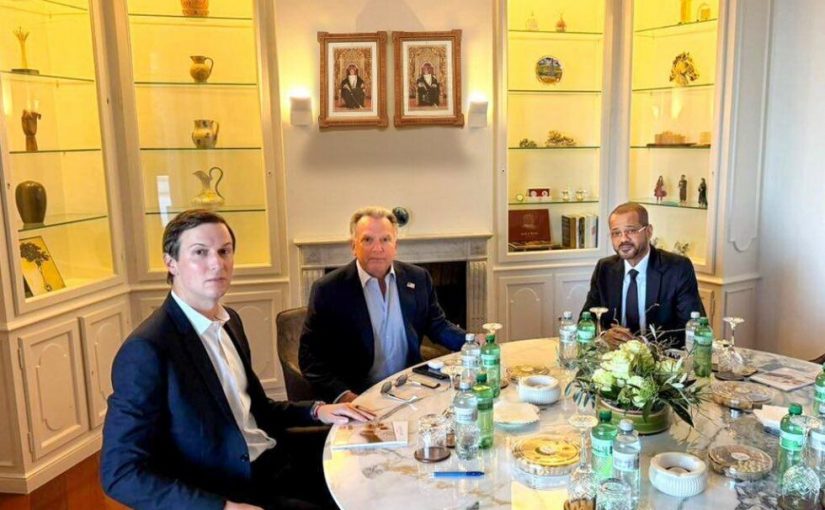
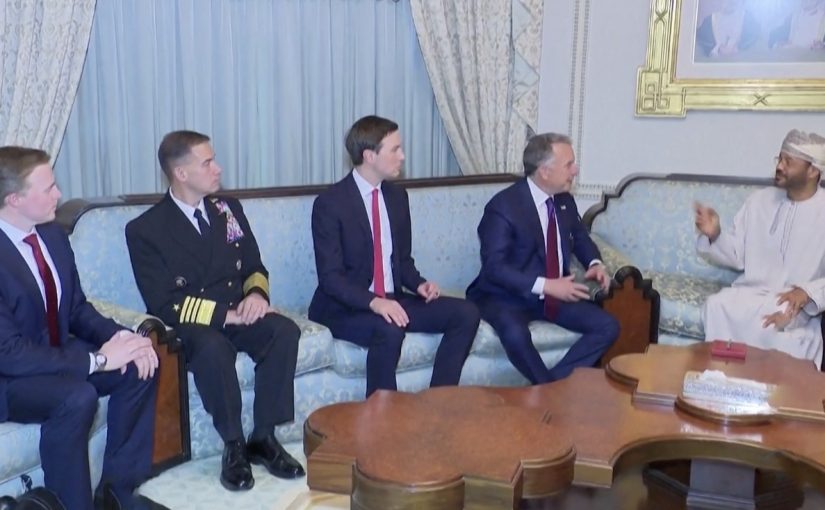
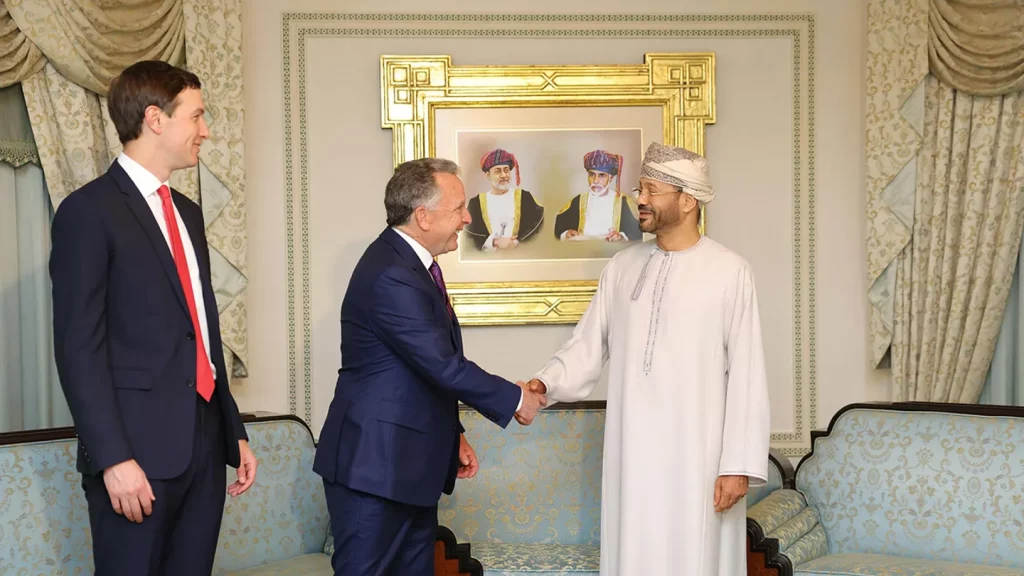
US envoys Steve Witkoff and Jared Kushner held indirect negotiations with Iran’s Foreign Minister Abbas Araghchi in Oman today. The talks were mediated by Oman’s Foreign Minister Badr al-Busaidi. There was a consensus that the meetings were positive and constructive. US and Iranian delegations are expected to return to their respective countries for consultations.

While there were no comments from the US delegation, the Omani and Iranian foreign ministers expressed their satisfaction with the negotiations. The aim of these talks is to avert a US military strike on Iran. US demands have centered on three subjects: Iran’s nuclear program and uranium stockpiles, Iran’s ballistic missile program, and Iran’s sponsorship of military groups in the Middle East. Iran’s foreign minister was the only party to comment on the content of the indirect negotiations, stating that Iran’s nuclear program was the only subject discussed.

U.S. and Iran to Hold Talks in Oman Amid Rising Tensions

In a significant development for regional diplomacy, the United States and Iran are set to meet tomorrow, Friday, February 6, in Oman for critical discussions covering Iran’s nuclear program, missile capabilities, and support for regional militias. The high-stakes meeting will bring together U.S. envoys Steve Witkoff and Jared Kushner with Iran’s foreign minister, Abbas Araghchi. Oman’s foreign minister is expected to participate as well, serving as host and mediator.

This encounter marks the first formal dialogue between the two nations since the June 2025 US bombing of Iranian nuclear facilities. Regional players have been instrumental in arranging this meeting, aiming to reduce tensions and prevent an escalation. The US has recently assembled a significant military presence near Iran.

Originally, Istanbul was chosen as the venue for these talks. However, Iran requested a change, seeking both a more neutral location and a more limited meeting format involving only Iranian and American officials. Oman, long regarded as a discreet facilitator of sensitive diplomacy, emerged as the preferred alternative.

The outcome of Friday’s discussions could play a pivotal role in shaping the trajectory of U.S.-Iran relations and the broader stability of the Middle East.

Explosions in Iran

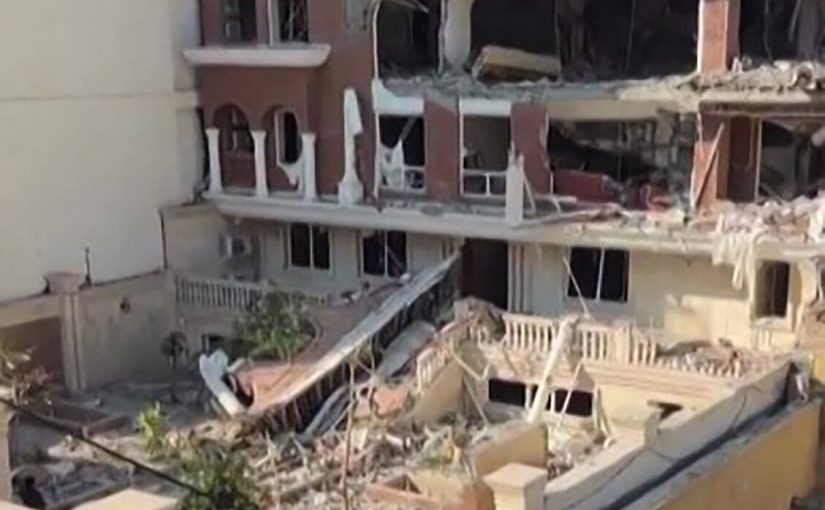
A deadly explosion that rocked an apartment building in southern Iran on Saturday and that officials said had most likely been caused by a gas leak spread panic in a country on edge about a potential outside attack.

The explosion, at an eight-story apartment building in the port city of Bandar Abbas, killed at least one person and injured at least 14 others, according to Fars, a news agency affiliated with Iran’s Islamic Revolutionary Guards Corps. The head of the local fire department told the Mehr News Agency that all of the injured had been evacuated.

As news of the damage emerged, unsubstantiated social media reports claimed that the explosion had been the result of a U.S.- or Israeli-led assassination of the commander of the Revolutionary Guards’ navy, Commodore Alireza Tangsiri. But in a statement, the Guards denied that Commodore Tangsiri had been killed, calling the speculation “psychological warfare” spread by Israeli intelligence.

Neither Israel nor the United States commented publicly on the claims.


Other Iran Related Content

President Trump is weighing military action against Iran

President Trump has been presented in recent days with an expanded list of potential military options against Iran aimed at doing further damage to the country’s nuclear and missile facilities or weakening Iran’s supreme leader, according to multiple U.S. officials.

The options go beyond the proposals that Mr. Trump was considering two weeks ago as a means of following through on his promise to stop the killing of protesters by Iranian government security forces and affiliated militias, the officials said, speaking on the condition of anonymity to discuss potential military plans.

The current set of options even includes the potential for American forces to carry out raids on sites inside Iran, and it comes in a different context, now that the protests have been brutally quashed, at least for the time being.

Mr. Trump has been demanding that Iran take further steps to end its push to build a nuclear weapon and halt its support for proxies that have long targeted Israel and destabilized the Middle East. He and his top aides are weighing whether to make good on his threats of military action to achieve those goals and possibly bring about a change in government.

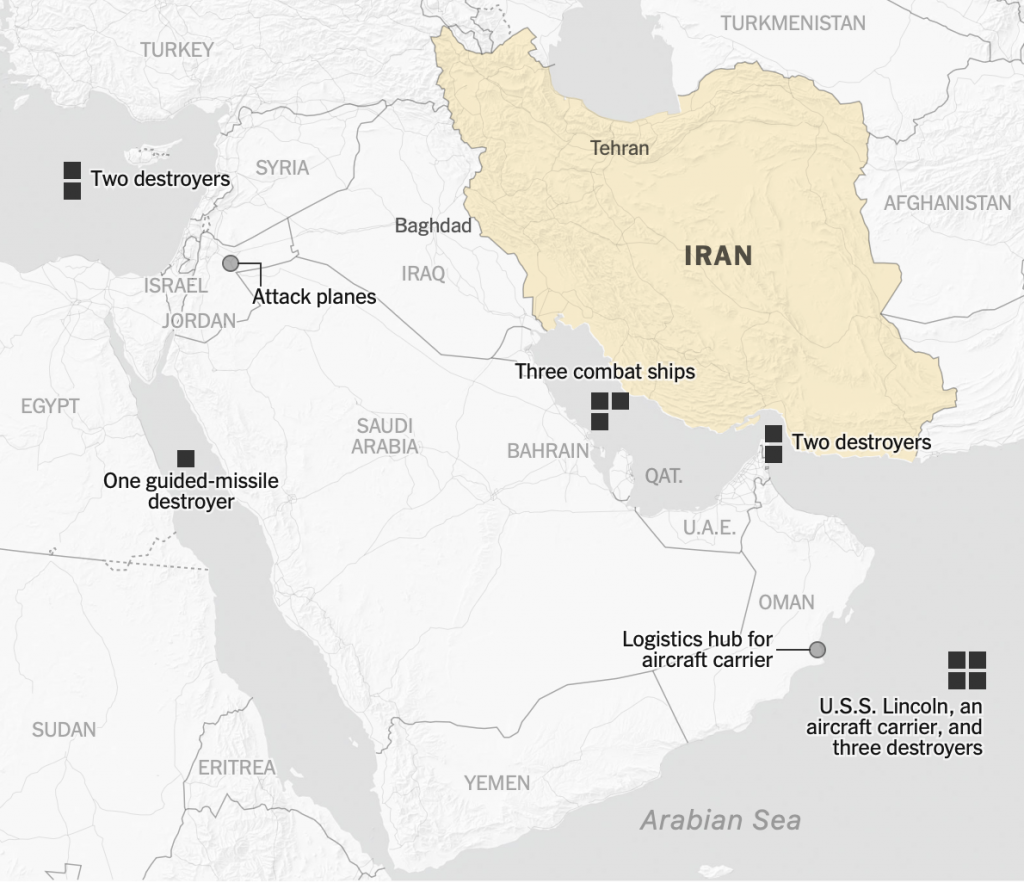
US military force build-up near Iran

In recent days, the U.S. military has built up forces close to Iran, in what President Trump has referred to as an “armada.”

That armada appears to be the aircraft carrier Abraham Lincoln, which is accompanied by three warships equipped with Tomahawk missiles.

The vessels entered the Central Command’s area of responsibility in the western Indian Ocean on Monday, and are now on station in the Arabian Sea, Navy officials said on Thursday. Flight tracking data corroborates the aircraft carrier’s location: One of its Osprey supply aircraft repeatedly flew from the Arabian Sea to nearby Oman this week.

Iran asks US to stop public threats against country

Iran will not engage in direct negotiations with the United States unless President Trump stops threatening it, its foreign minister, Abbas Araghchi, said on Friday.

Speaking to reporters during a visit to Istanbul, Mr. Araghchi said talks to calm tensions between Iran and the United States had to be based on a “fair and equitable” approach and could not begin with threats.

President Trump has threatened military action against Iran, aimed at forcing it to agree to American demands that include a halt to its nuclear program, limits on its ballistic missiles and the end of its support to allied militias in the Arab world.

Mr. Trump, who has said that time is running out before he strikes Iran “with great power, enthusiasm and purpose,” is now considering options for an attack, U.S. officials have said.

Source: The New York Times