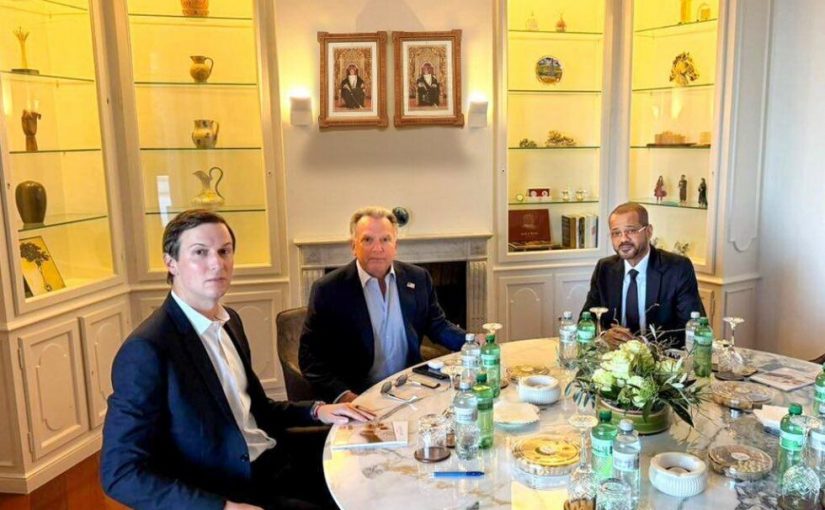
The world watches closely as the third round of indirect nuclear negotiations between the United States and Iran unfolds in Geneva, Switzerland. With Oman’s foreign minister stepping in as a mediator, both nations have sent their delegations, including U.S. envoy Steve Witkoff and adviser Jared Kushner, to the table. The focus? Iran’s nuclear program and the demands each side is willing to meet.
Despite the absence of a formal agreement, the talks are expected to continue, with technical-level discussions likely to resume soon, possibly in Vienna. This ongoing dialogue is crucial as both countries navigate a complex landscape of demands and counteroffers.
The United States has laid out clear demands: Iran must cease uranium enrichment, surrender highly enriched uranium, and limit its missile development and support for proxy forces. The overarching goal for Washington is to ensure that Iran cannot acquire nuclear weapons.
On the other hand, Iran maintains that its nuclear program is purely for peaceful purposes, backed by a religious edict (fatwa) against nuclear weapons. While Tehran is open to discussing enrichment limits and sanctions relief, it is not prepared to halt enrichment entirely or curb its missile program.
Iranian officials have expressed optimism, suggesting that an agreement is within reach if diplomacy takes precedence. They have described the proposals exchanged during the negotiations as “very constructive,” signaling a willingness to find common ground.
The talks are taking place under the watchful eye of the International Atomic Energy Agency (IAEA), which is involved in oversight and verification discussions. This global diplomatic attention underscores the high stakes involved in these negotiations.
However, the diplomatic efforts are overshadowed by escalating military tensions. The United States has deployed aircraft carriers, warships, and additional forces to the Middle East, a move seen as a demonstration of pressure on Tehran.
The specter of war looms large if negotiations fail, with concerns about potential strikes on Iranian nuclear facilities and the risk of a broader regional conflict. The situation remains tense, and the world holds its breath as these critical talks continue.